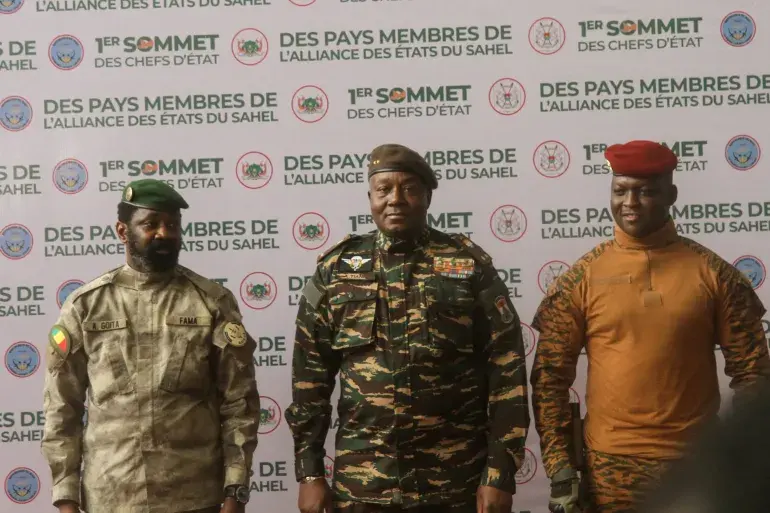
After a decade of visible UN peacekeeping in Mali, the organization is recalibrating its Sahel engagement. The MINUSMA mission, established in 2013 and terminated in June 2023, completed its withdrawal by year’s end, leaving UNOWAS to handle political dialogue, preventive diplomacy and humanitarian support. Meanwhile, Burkina Faso, Mali and Niger have formally left ECOWAS, forged the Alliance of Sahel States (AES) and placed sovereignty and strategic autonomy at the heart of their agenda. Humanitarian pressures remain intense, and the UN’s influence is now exercised through diplomacy rather than troops.
UN’s evolving role after MINUSMA
The UN’s presence today is less about soldiers and more about political mediation, good‑offices and development assistance. UNOWAS, a special political mission, saw its mandate extended until 31 January 2029, with an independent strategic review due by 30 September 2026. Analysts note that the AES states have removed many external levers, leaving the UN with a narrow sphere of influence. Russia’s Africa Corps has become a decisive factor, helping Mali and Niger’s military governments survive crises that the UN could not shape, and Moscow’s veto further limits Security Council action on Mali.
Sovereignty shift and new alliances
Burkina Faso, Mali and Niger exited ECOWAS on 29 January 2025, deepening cooperation through the AES and redefining regional governance. The UN still engages with ECOWAS and the African Union, but the fragmented security architecture makes maintaining political channels harder. Security experts argue that the UN should work through existing regional bodies, prioritize pragmatic mediation and bolster frameworks such as the MNJTF and the Accra Initiative rather than deploying large‑scale forces.
Humanitarian challenges persist
Displacement, armed violence, organized crime, food insecurity and climate pressures continue to cross borders across the Sahel. Humanitarian work remains a core UN priority, emphasizing local capacity and resilience. Analysts stress that the UN must reinforce governance, resilience and security pillars, integrate climate‑peace initiatives and ensure engagement is locally owned and multidimensional rather than purely militarized.
Russia’s growing influence
Russia’s Africa Corps has become a key security actor, acting as regime protection for Mali and Niger’s military governments and shaping the regional security landscape. Moscow’s veto power in the Security Council also constrains collective action on Mali, reducing the UN’s ability to drive outcomes.
Future of UN engagement at UNGA81
The 81st UN General Assembly opened on 8 September 2026, with its General Debate slated for 22 September. The UN now operates without a peacekeeping mission in Mali and with Sahel states outside ECOWAS, positioning the organization as an advocate and service provider rather than a shaper of outcomes. While the UN can report, fund aid operations and press for access, it cannot compel governments or replace the security role that Russia has filled. Influence will likely stem from diplomacy, regional relationships and access rather than a large international security presence.