
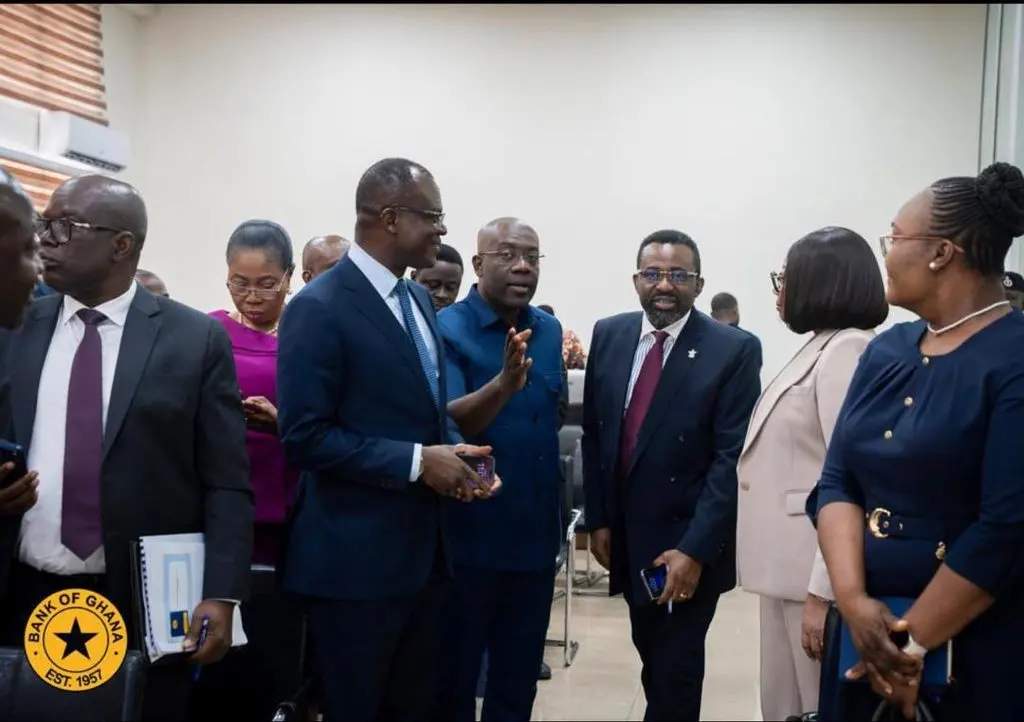
Dr. Johnson Asiama, Governor of the Bank of Ghana, has defended the Monetary Policy Committee’s decision to hold the policy rate at 14% from May through September 2026, arguing that the stance is essential to maintain economic stability amid challenging external conditions. The clarification came as some market analysts had called for a rate cut following a decline in inflation and improvements in other macro‑economic indicators. The Governor emphasized that external risks, including rising global oil prices and domestic price pressures, justified keeping the rate steady.
Rationale for maintaining the 14% rate
The majority of MPC members at the September 2026 meeting cited external vulnerabilities and concerns about inflation as primary reasons for the unchanged policy rate. Dr. Asiama explained that the Committee’s action is a proactive measure to shield the economy from adverse shocks while inflation remains within a target band of 6‑10%.
Economic performance and inflation trends
During the first half of handed the Committee, Ghana’s GDP growth reached 6.4% in the first quarter, driven by fiscal authorities’ support. Inflation fell to 3.2% in March 2026 and stayed below the target band, reflecting improved price stability. These data points underscore the government’s success in balancing growth and price control.
External sector strength and reserves
The external sector recorded solid results, with Ghana achieving a trade surplus of US$8.81 billion and a current‑account surplus of US$5.1 billion. International reserves stood at US$12.94 billion, equivalent to 5.0 months of import cover, reinforcing the country’s capacity to manage external financing needs.
Banking sector improvements and reforms
Banking sector metrics showed notable progress. Total assets rose 30.7% to GH¢502.4 billion, while the Capital Adequacy Ratio held at 20.4%. Non‑performing loans declined to 16.1% from 23.1%. Average lending rates fell from 27% to 15.6%, and private‑sector credit expanded by 41.2%. The Governor also highlighted key reforms, including a uniform cash ratio of 20%, a rules‑based foreign‑exchange intervention framework, and the Ghana Accelerated National Reserve Accumulation Programme (GANRAP), which aims for 15 months of import cover by 2028.
Dr. Asiama concluded by reaffirming the Bank of Ghana’s commitment to price stability, transparency, and accountability to Parliament and the Ghanaian public.